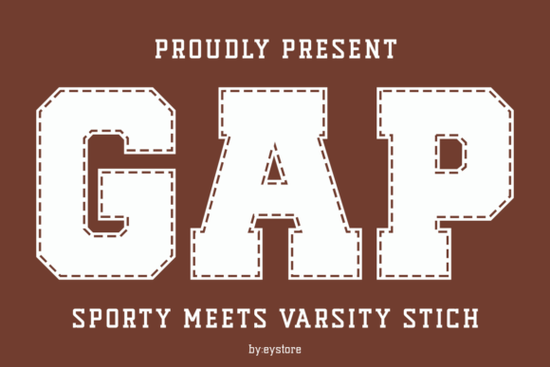
If you're looking for a bold, athletic typeface that works just as well on a custom jersey as it does on a handmade craft label, the Gap Sporty Font is worth your attention. It’s not just one font it’s two complementary styles in a single pack: a clean, no-nonsense slab serif with classic varsity energy, and a stitched version that mimics real embroidered thread texture down to the subtle shading and stitch overlaps. Both are designed to hold up at small sizes and shine at large ones ideal for physical products where legibility and character matter.
When does Gap Sporty Font actually fit best?
This isn’t a “one-size-fits-all” display font. It shines where authenticity and sporty confidence matter like screen-printed team tees, vinyl-cut gym posters, or iron-on patches for youth league gear. Because it’s built with clear stroke contrast and generous spacing, it reads cleanly even when cut from heat-transfer material or laser-engraved onto wood or acrylic. Small businesses making custom sports apparel often choose it over flashier fonts because it avoids trendiness without feeling dated.
The stitched variant, in particular, adds tactile realism without needing extra design layers no need to simulate stitching manually in Illustrator or Photoshop. That saves time if you’re batch-producing POD items or prepping files for local print shops. And since both versions share the same metrics (x-height, spacing, baseline), swapping between them mid-project is seamless.
How does it compare to other slab serif fonts?
Unlike many slab serifs that lean industrial or retro-futuristic, Gap Sporty Font keeps things grounded in familiar athletic letterforms think vintage letterman jackets or high school gym banners. It’s less rigid than Rockwell, less decorative than Bebas Neue, and more intentional than generic “sports” fonts that rely on clip-art-style swooshes or star bursts.
You’ll find it especially useful alongside other slab serif fonts when building a cohesive brand system for example, using Gap Sporty for headlines and a lighter, neutral sans-serif for body text on a fitness studio’s website or product packaging. Its straightforward construction also makes it friendly for beginners learning typography basics: spacing is predictable, kerning pairs are consistent, and OpenType features like stylistic alternates are minimal but purposeful.
What kinds of projects get better results with it?
- Jersies & apparel: Works reliably across fabric types cotton, polyester blends, and even sublimation-ready blanks without thin strokes disappearing in the print process.
- Sports posters & wall art: The stitched version adds instant dimension to digital prints or framed SVG cutouts, especially when layered over textured backgrounds.
- Craft labels & tags: Fits neatly on small adhesive labels (like those used for homemade protein bars or gym supplement jars) thanks to its sturdy letterforms and open counters.
- SVG cut files: Clean vector outlines mean crisp cuts on Cricut or Silhouette machines no jagged edges or unintended gaps in the stitched style.
If you’ve already tried pairing it with other fonts, you might notice how easily it sits beside geometric sans-serifs or warm humanist typefaces. It doesn’t compete it anchors. That’s why so many crafters returning to the Gap Sporty Font page pick it up again for seasonal collections: back-to-school spirit wear, tournament banners, or even custom water bottles for local rec leagues.
Things to keep in mind before downloading
It’s a display font not meant for long paragraphs or UI text. Use it where impact matters more than scanning speed. Also, while the stitched style looks convincingly hand-sewn, it’s still a digital interpretation: if you need true embroidery digitizing (e.g., for commercial绣 machine files), you’ll want to work with a specialist after selecting the base lettering.
One practical tip: test both versions side-by-side in your actual production workflow not just in design software. Try exporting a mockup to your preferred printer or cutting machine first. You’ll quickly see which style holds up best under your specific materials and settings.
Before you add it to cart: Check that your license covers your intended use especially if you’re selling physical goods or offering design services to clients. The standard license includes commercial use for unlimited end products, but always double-check the terms on the product page.
Learn More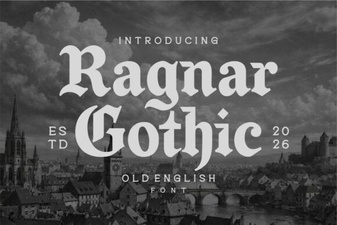 Ragnar Gothic Font: Bold Design & Creative Projects
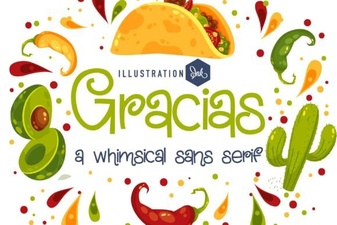 Gracias Font: Elegant & Versatile Design Choice
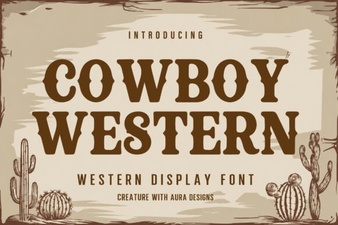 Cowboy Western Font: Bold Design Ideas for Your Projects
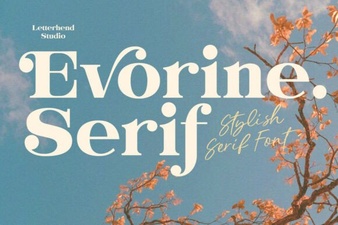 Evorine Serif: Elegant Typography for Creative Projects
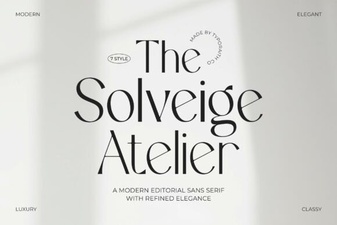 The Solveige Atelier Font: Elegant Design & Creative Versatility
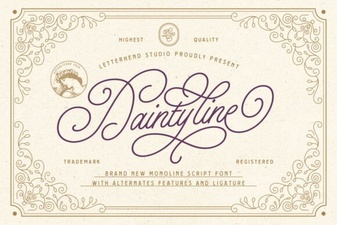 Daintyline Font: Elegant & Versatile Design Tool